Mindfulness for Anxious Beginners: Best Session Length
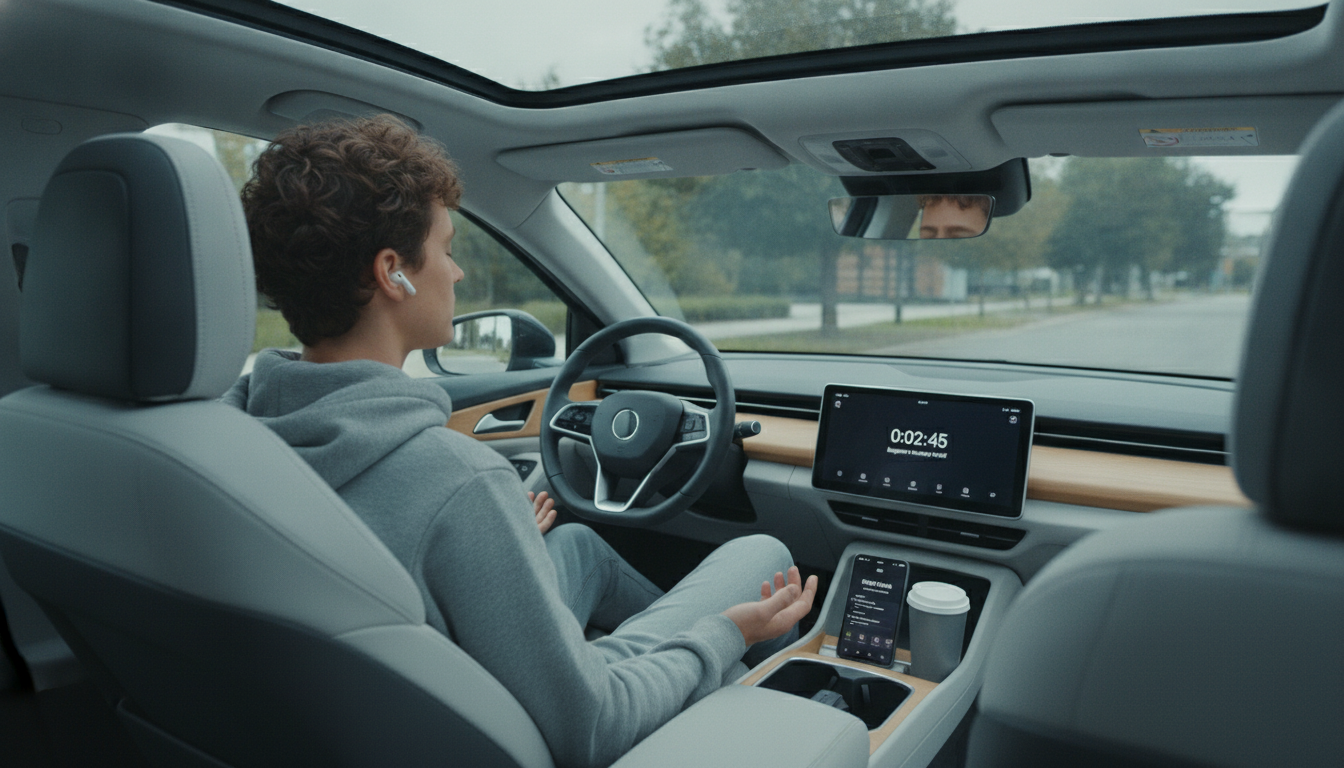
How long should mindfulness exercises be for beginners who feel anxious?
For beginners who feel anxious, mindfulness exercises usually work best when they’re short and consistent: about 2–5 minutes to start, then gradually building to 10–15 minutes as it starts to feel safer and more manageable. Anxiety can make longer sessions feel intense, so the goal early on is to practice returning to the present without pushing so hard that it backfires.
What’s a good starting length?
Start with 2 minutes once per day. If that feels doable for several days in a row, move to 3–5 minutes. Many anxious beginners do better with a “leave on a good note” approach—ending while the practice still feels steady—rather than forcing a longer session that spikes worry or restlessness.
How often should you practice?
Daily is ideal, but consistency matters more than duration. A reliable 3-minute practice can be more calming over time than an occasional 20-minute session. If mornings are hectic, try a quick reset mid-day or before bed.
How do you know it’s time to increase the time?
Increase your session length when you can stay with the exercise without feeling overwhelmed for most of the time. A simple rule: if you finish and feel a little more grounded (even slightly), add 1–2 minutes the next week. If you finish feeling more activated, shorten the next session and use a softer focus, like listening to ambient sounds or feeling your feet on the floor.
Beginner-friendly mindfulness options (short on purpose)
Try one of these for 2–5 minutes: a slow breathing count (inhale 4, exhale 6), a body scan of just the hands and shoulders, or a “5-4-3-2-1” grounding check using your senses. If anxiety rises, keep your eyes open, sit upright, and anchor attention to contact points (chair, feet, hands).
For a more detailed breakdown and progression ideas, visit the main guide on mindfulness exercise length for anxious beginners.
FAQ
What if mindfulness makes my anxiety worse at first?
Shorten the session to 30–90 seconds, keep your eyes open, and focus on external sensations (sounds or room details) instead of internal sensations. If it continues to feel distressing, consider guidance from a qualified mental health professional.







Leave a comment